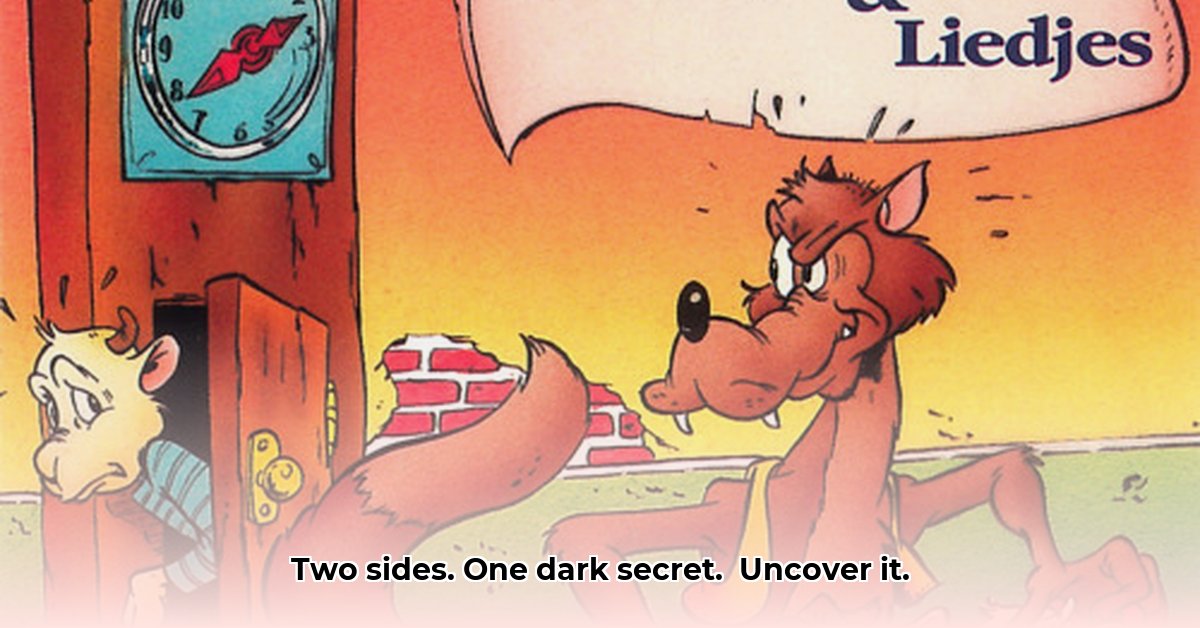
The fable of De Vos En De Raaf (The Fox and the Raven) isn't a monolithic entity; rather, it's a captivating tapestry woven from numerous threads, each telling a slightly different story. This article delves into two distinct versions, showcasing how a seemingly simple premise – a clever fox outsmarting a naive raven – can yield strikingly contrasting interpretations and moral lessons. We'll unpack the narrative structures, character portrayals, and thematic nuances, exploring how these variations reflect diverse cultural values and perspectives. Ultimately, the analysis reveals the remarkable adaptability and enduring appeal of this timeless fable.
Comparative Analysis: A Tale of Two Ravens
Both versions share a common narrative spine: a cunning fox employs flattery to deceive a raven, resulting in the raven's loss of a prized possession (a juicy rat in one version, a delicious piece of cheese in another). However, the differences emerge in the nuances of characterisation and the resulting moral implications.
The Raven's Shifting Persona
The most striking divergence lies in the portrayal of the raven. In one version, the raven is depicted as a conflicted character, caught in a moral dilemma: loyalty versus compassion. This raven displays depth and internal conflict, making it far more complex than a mere victim. In stark contrast, the other version portrays the raven as vain and easily impressed, falling prey to the fox's honeyed words without a second thought. This stark contrast highlights the fable's flexibility in shaping character and, consequently, its moral message. Isn't it fascinating how a single character can embody such vastly different traits across different retellings?
Moral Compass: Navigating Conflicting Lessons
The differing characterisations directly impact the moral compass of each version. One version raises questions about blind loyalty, prompting reflection on the potential pitfalls of unwavering allegiance, regardless of circumstance. Does unwavering loyalty always serve us well, or can it sometimes lead to undesirable outcomes? The other version delivers a more straightforward lesson against vanity and the dangers of succumbing to flattery. The contrasting morals demonstrate the rich interpretations that can be drawn from even the most seemingly simplistic narratives.
Setting the Stage: Environmental Influence
The settings also play pivotal roles in shaping the narrative's impact. One version vividly depicts a harsh, drought-stricken landscape, adding layers of desperation and urgency to the characters’ actions. This environmental context enhances the narrative's emotional weight, imbuing it with a deeper sense of realism. The other version maintains a more generalized setting, creating a less emotionally charged atmosphere. This subtle difference highlights the power of environment in framing narrative interpretation. Doesn't the setting significantly alter our perceptions of the characters' motivations and actions?
Narrative Techniques: Show, Don't Tell
The storytelling techniques employed in each version also differ significantly. One version employs rich, descriptive language, painting a vivid picture of the raven's internal turmoil. The reader can almost feel the bird's conflicting emotions. The other version adopts a more direct, even somewhat critical approach, emphasizing the raven's naiveté through blunt language. The stylistic differences highlight how narrative choices shape reader perception and ultimately influence the story's overall meaning. This exemplifies the power of storytelling technique in crafting moral messages.
Key Differences at a Glance
| Feature | Version 1 | Version 2 |
|---|---|---|
| Raven's Personality | Morally complex, conflicted, thoughtful | Naive, vain, easily manipulated |
| Setting | Harsh, drought-stricken environment | General, less defined setting |
| Narrative Style | Detailed, evocative, emphasizing internal conflict | Direct, almost judgmental, highlighting naiveté |
| Moral Lesson | Questioning blind loyalty; nuances of moral decision-making | Warning against vanity and the dangers of flattery |
The Enduring Power of Adaptable Fables
The comparative analysis of these two versions of De Vos En De Raaf reveals far more than just two separate stories. It illuminates the remarkable adaptability of fables, demonstrating their capacity to reflect shifting cultural values and individual perspectives across time and geographical boundaries. Their enduring appeal lies in their capacity to spark diverse interpretations and continue to resonate with audiences across generations. The simplicity of the narrative belies the complexity of its moral implications, making it a perfect case study for understanding the dynamism of storytelling and its reflection of societal shifts. What hidden meanings might future retellings uncover?